Improving Task Success by 35% in a Mobile FinTech Budgeting Experience
Goodbudget

Role:
Lead Product Designer
Industry:
FinTech
Timeline:
3 Months
Platform:
Mobile Application
Reducing Friction Across Budgeting, Transactions, and Navigation
Overview
Overview
Users struggle to understand and manage their budgets because the envelope system, expense tracking, and financial information are not presented clearly or intuitively.
Problem Area
Simplify Goodbudget’s core budgeting experience to improve budget setup and expense tracking, increase user engagement and retention, support subscription growth, and contribute to stronger recurring revenue.
Solution
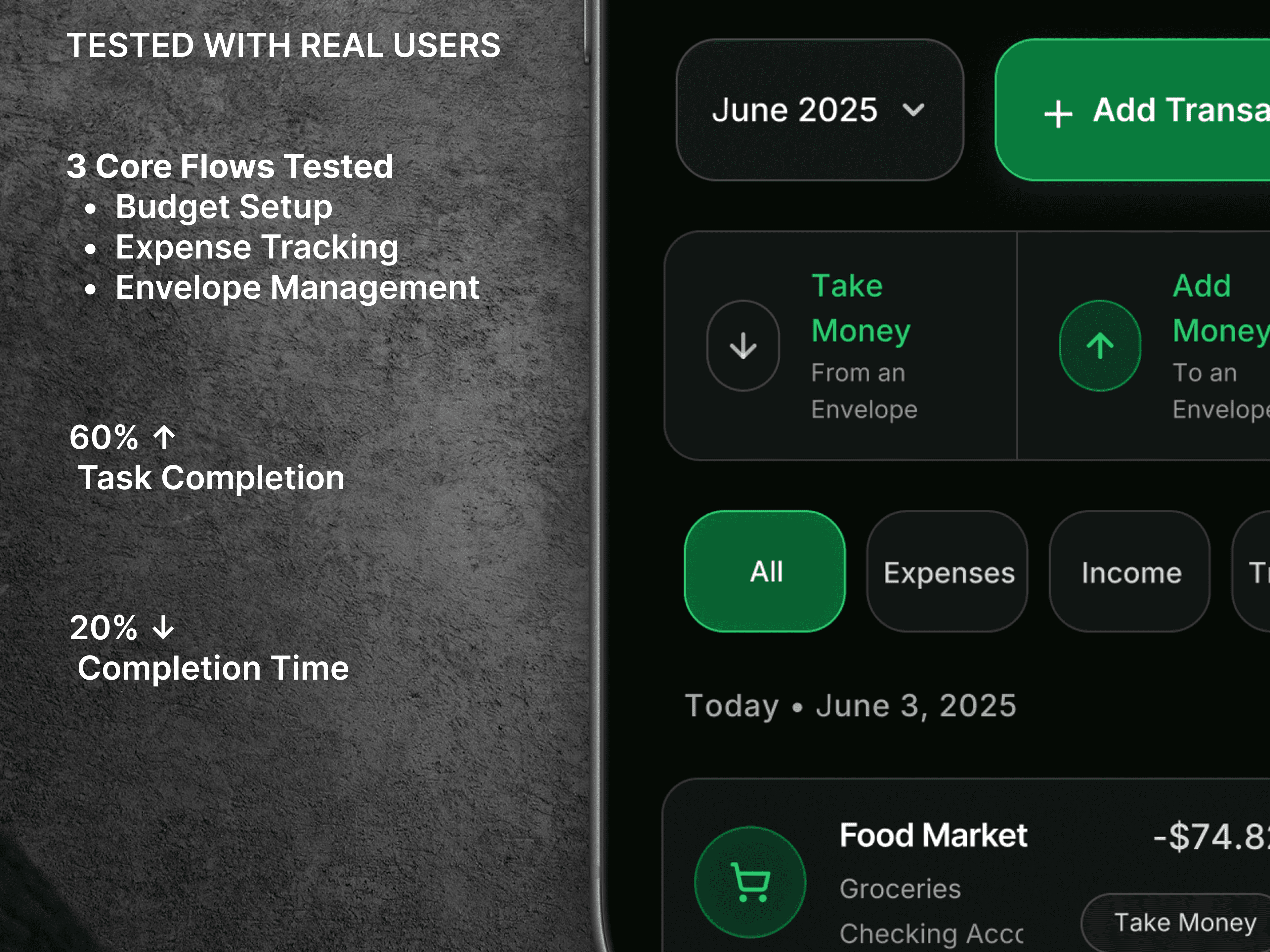
The redesigned budgeting experience increased task completion by 60% and reduced average completion time by 20%. These results were measured through comparative usability testing with 10 participants across budget setup, expense tracking, and envelope management tasks.
Creating Structure, Navigating Challenges, and Keeping the Project Moving
Project Mangment
At the start of the project, I focused on creating a clear structure that gave the team direction from kickoff through research, design, and testing. I organized the work into focused sprints, established key milestones and deliverables, and created a shared roadmap so everyone understood what we were working toward and how their responsibilities connected to the larger project.
As the project progressed, timelines shifted, priorities changed, and some areas required more attention than originally expected. I adjusted the plan, redistributed work when necessary, and kept communication consistent so the team could continue moving forward without losing sight of our goals. This structure gave us enough direction to stay aligned while still allowing the process to adapt as new research findings, design decisions, and testing insights emerged.

Project Planning

Finding Then Validating User Confusion Around Navigation, Hierarchy, and Budgeting Flows Through Interviews and Task Testing
Research
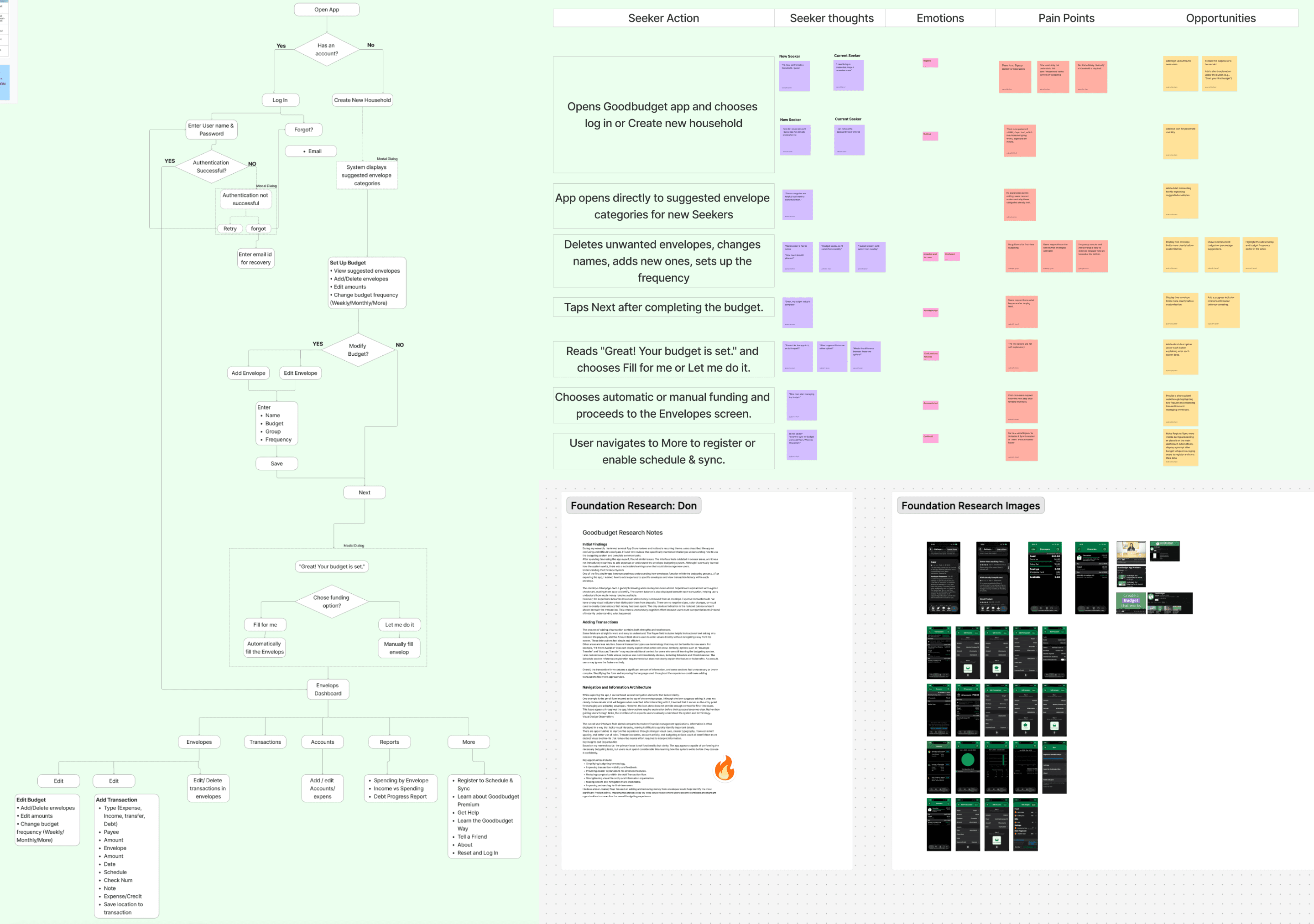
I began by mapping the current customer experience flow, reviewing competitors, and conducting a business analysis to understand where the product experience could be improved. I also used ChatGPT and Gemini to help organize findings, identify recurring patterns, and support early synthesis. From that work, I created an initial problem statement and hypothesis around navigation, hierarchy, and core budgeting flows.
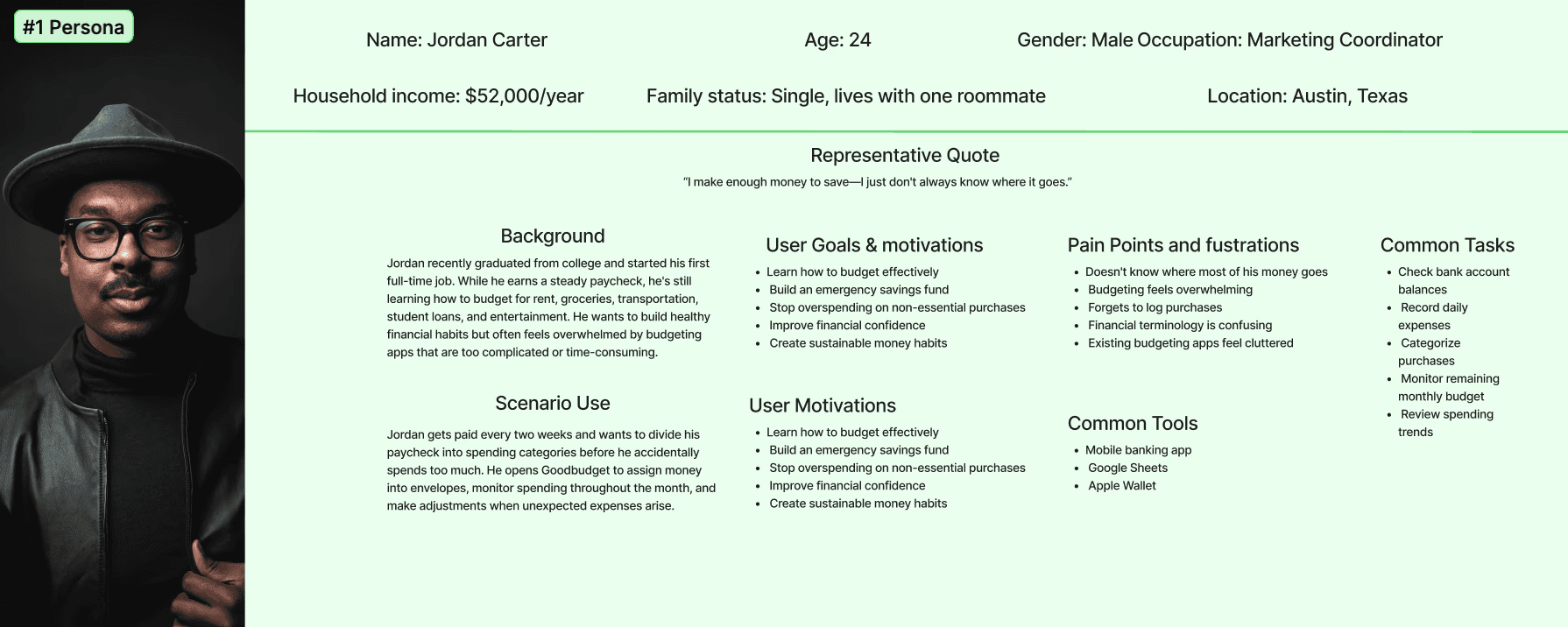
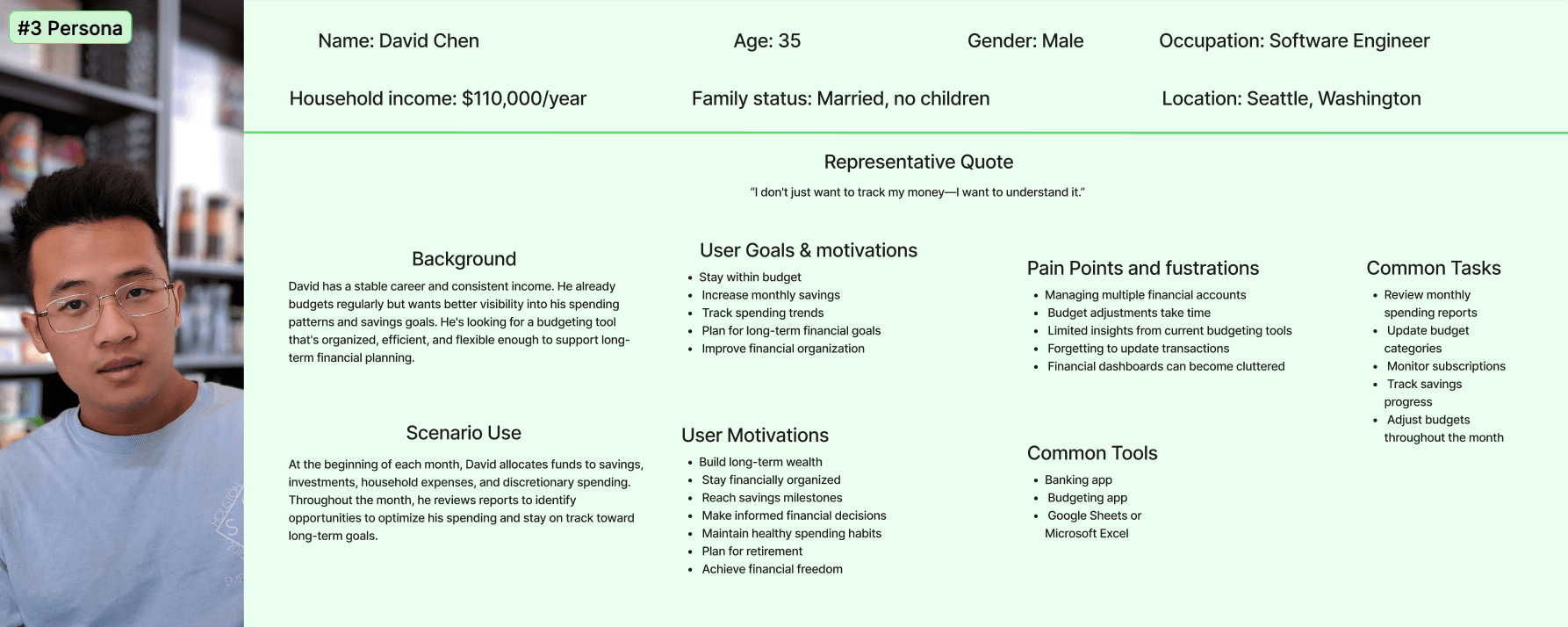
I then conducted 15 user interviews to validate those assumptions with real users. The findings confirmed key areas of friction, informed the creation of research-based personas, and helped me refine the original problem statement before moving into design.

Competitive Analysis


Problem Statement

Personas

Using Research and AI to Shape a Clearer Budgeting Experience
Ideation & Design
After validating the research, I moved into ideation, where the team and I explored different solutions to the problems we identified. I used ChatGPT to support brainstorming and generate additional ideas, helping us expand on our concepts and evaluate different directions.
From there, I used the research findings and my mood board to quickly explore multiple wireframe concepts. I used Gemini Nano Banana to generate early wireframe directions from my research notes, and I used ChatGPT in a similar way to create additional layout and feature concepts. Comparing both sets of explorations helped me identify the strongest ideas and combine the best elements.
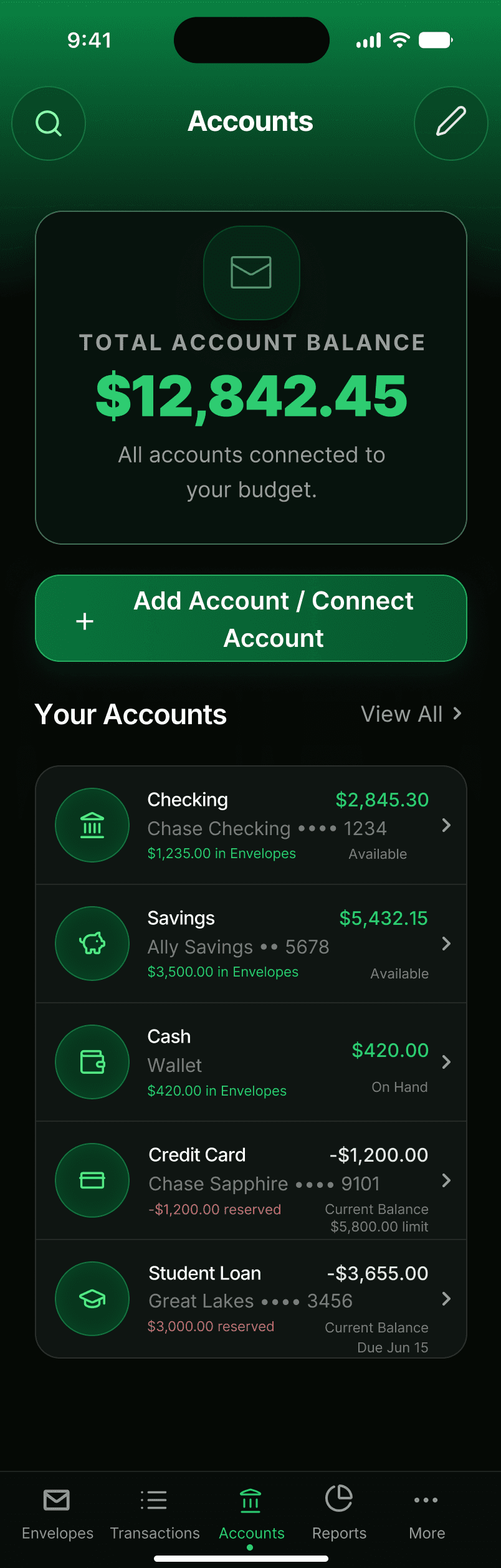
I then developed that direction into the final design and focused on refining the experience around the research findings, user needs, and business goals. This included improving the visual hierarchy, interactions, and overall clarity of the budgeting experience before moving into final testing.

Ideation


Wireframe Using AI



Measuring a 35% Task Success Increase Through A/B Testing and Reflecting on Team Communication Challenges
Testing & Final Reflection
Testing and Design Tradeoffs
To evaluate the redesign, I conducted A/B testing between the original Goodbudget experience and our redesigned prototype, resulting in a 35% increase in task success. The results showed that simplifying navigation, strengthening information hierarchy, and clarifying key budgeting actions made the experience easier for users to understand and complete.
One of the biggest tradeoffs was deciding how much to simplify without removing the functionality and envelope-based model that makes Goodbudget unique. Reducing cognitive load meant deprioritizing some information while still giving users enough financial context to make informed decisions. I also had to narrow the project scope and prioritize the workflows supported by the strongest research instead of attempting to redesign every part of the product.
Final Thoughts
Looking back, one of the strongest parts of the project was the structure I created before design began. Building the roadmap, organizing the research process, and giving the team a clear direction helped keep our decisions grounded in real user problems.
The biggest challenge was team communication and expectation-setting. I did not establish clear enough standards around response times, progress updates, deadlines, and accountability early on. When communication became inconsistent, parts of the schedule were delayed and I took ownership of additional research and design work to keep the project moving.
If I approached a similar project again, I would establish a written team agreement before kickoff, build more buffer time into the timeline, and create stronger documentation for each phase. The project strengthened my understanding that successful design leadership depends on balancing strong design decisions with communication, accountability, and adaptability.